Practical Tips for Managing Paper Clutter in Your Home
Managing paper clutter can be a daunting task for many homeowners, but with the right strategies, it is possible to achieve a more organized and functional space. This article provides practical tips on how to tackle paper clutter effectively, drawing on expert recommendations and industry best practices.
Understanding the Impact of Paper Clutter
Piles of paper can create visual chaos and contribute to stress in your home. Research indicates that clutter can negatively affect productivity and mental well-being. According to a study published in the Journal of Environmental Psychology, individuals in cluttered environments often report higher levels of anxiety and lower levels of focus.
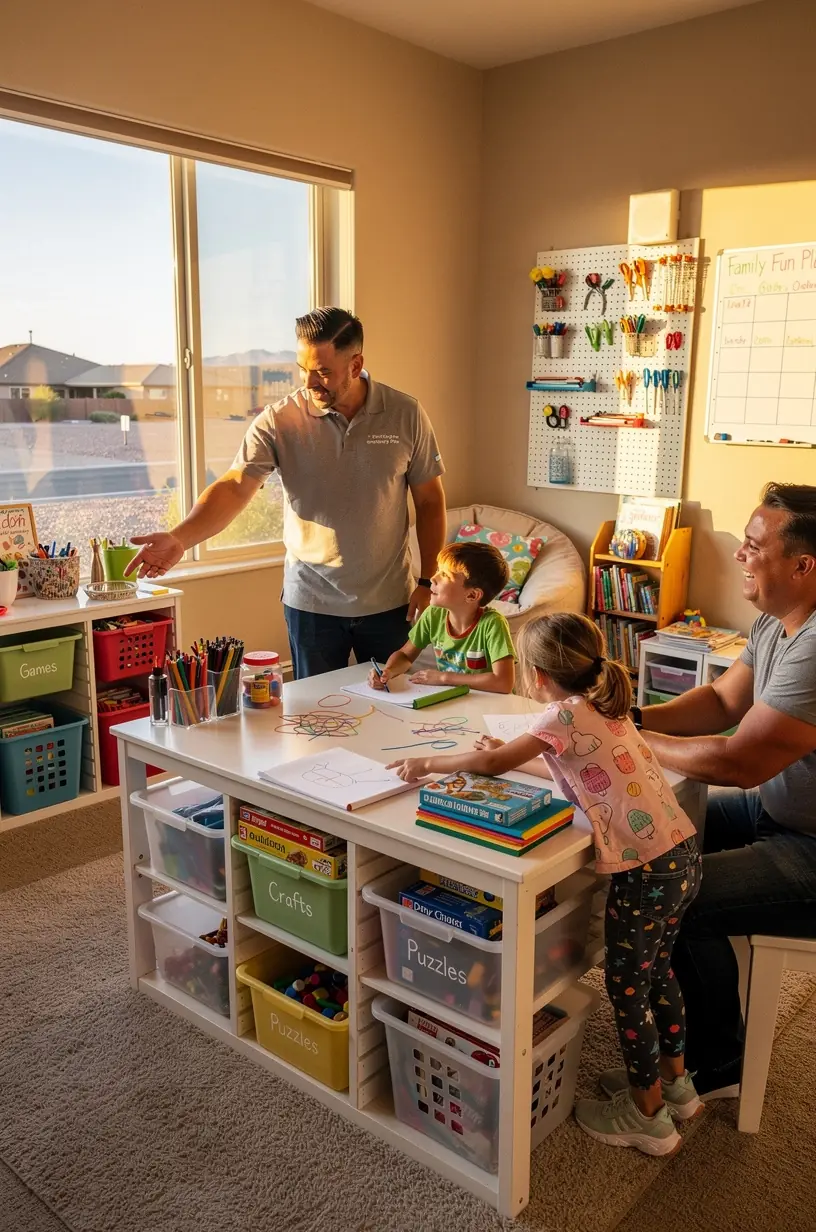
"A cluttered space can lead to a cluttered mind, which makes it harder to concentrate and relax." - Organizational Expert
Effective Strategies for Reducing Paper Clutter
To manage paper clutter effectively, consider the following strategies:
- Sort Regularly: Make it a habit to sort through your papers on a weekly or monthly basis. Experts recommend setting aside just 15-30 minutes to go through your mail and documents to prevent accumulation.
- Create a Filing System: Implement a simple filing system that categorizes your documents by type (e.g., bills, important documents, personal letters). This organization can help you locate what you need when you need it.
- Go Digital: Whenever possible, switch to digital formats. Scanning important documents and using apps for receipts and bills can drastically reduce physical paper clutter. Many users report that digitizing their paperwork has improved their organization and reduced stress.
Implementing the 5-Second Rule
The 5-second rule, proposed by productivity experts, suggests that when you handle a piece of paper, you should decide what to do with it within five seconds. This could involve:
- Throwing it away if it is not needed.
- Filing it if it requires action later.
- Taking immediate action, such as paying a bill or responding to a letter.
This strategy can help you make quick decisions, reducing the time spent deliberating over what to do with papers.
Acknowledge Your Limitations
It's important to be realistic about your approach to decluttering. Managing paper clutter typically requires an ongoing commitment and may take several weeks to see significant results. Setting clear expectations about the time and effort involved can help you remain motivated.
Conclusion
By implementing these practical tips and understanding the underlying principles of effective organization, you can take significant steps toward managing paper clutter in your home. Remember, the goal is not to achieve perfection but to create a more functional and stress-free environment. As you progress, you may find that maintaining an organized space becomes easier and more intuitive over time.