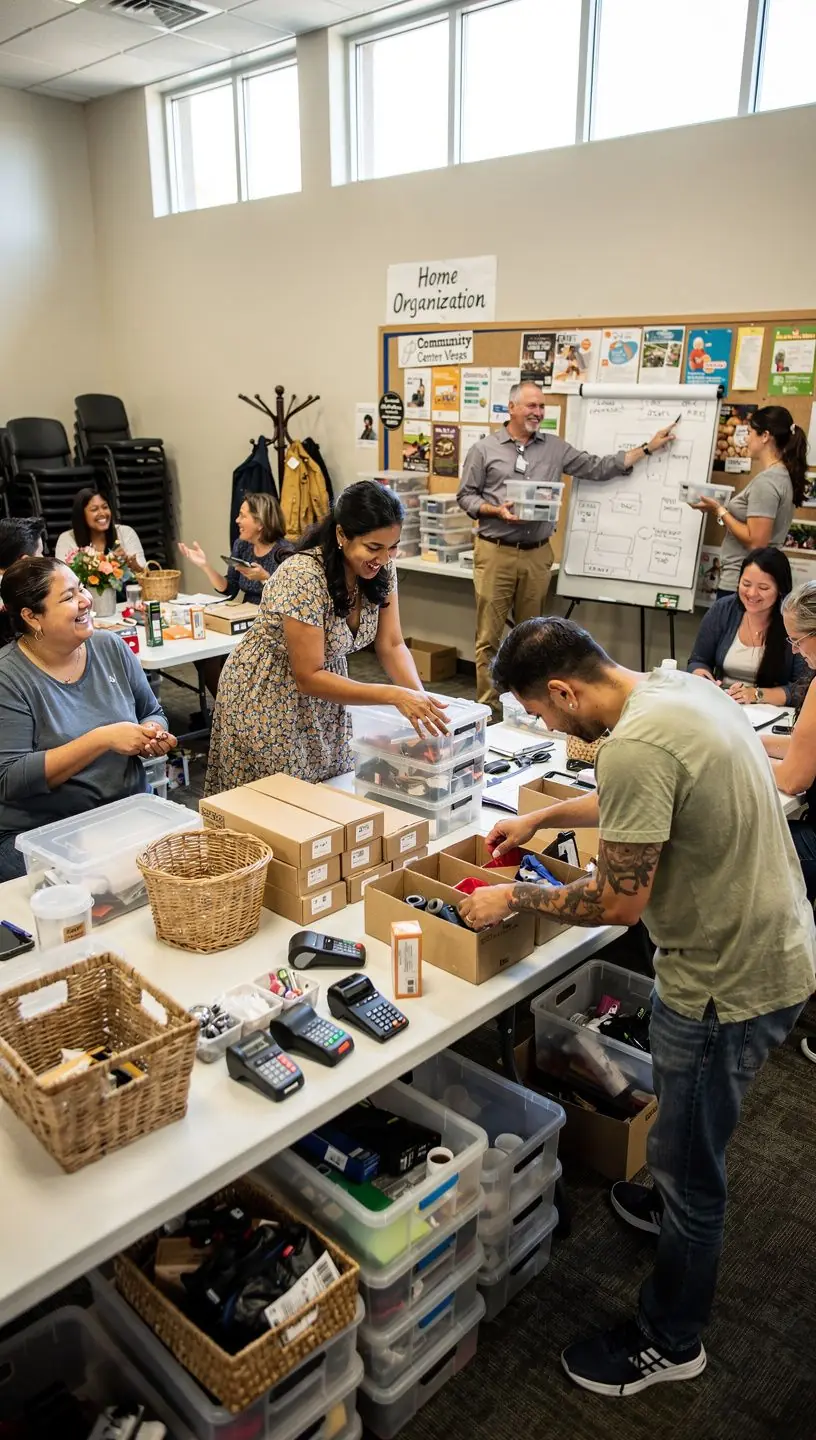
Exploring Sustainable Storage Solutions for Eco-Friendly Homes
As more homeowners in Las Vegas (LV) strive to lead eco-friendly lifestyles, the demand for sustainable storage solutions has risen. This article explores various approaches to home organization that prioritize environmental sustainability while effectively meeting your storage needs.
Understanding the Basics of Sustainable Storage
Creating a sustainable living environment typically involves the incorporation of eco-friendly materials and practices. According to a report from the National Association of Home Builders, many homeowners prefer materials that are renewable, recycled, or sustainably harvested. Sustainable storage solutions aim to reduce waste while maximizing space, making them an effective choice for modern homes.
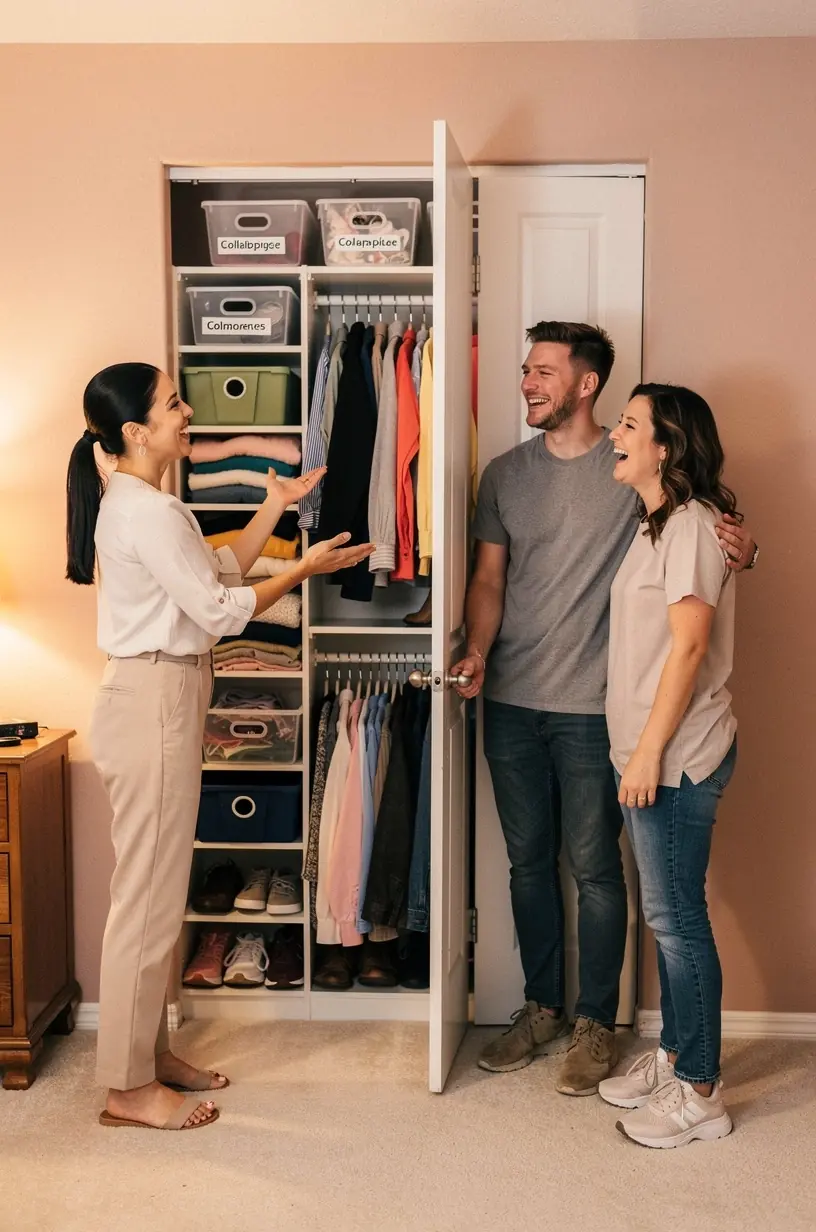
"Emphasizing sustainability not only helps the environment but can also enhance the quality of life at home, according to studies conducted by green building experts."
Choosing Eco-Friendly Materials
When selecting storage solutions, it’s crucial to consider the materials used. Many manufacturers now offer products made from:
- Recycled wood: This material typically has a lower carbon footprint and helps reduce deforestation.
- Bamboo: A fast-growing plant, bamboo is a renewable resource that is both durable and stylish.
- Recycled metal: Often used in shelving and storage units, recycled metal can be a robust and sustainable option.
Experts recommend exploring local artisans and businesses that focus on eco-friendly practices, as purchasing locally can further reduce transportation emissions.
Practical Storage Solutions for Decluttering
Implementing effective and sustainable storage solutions involves a variety of organizing methods. Here are a few strategies that can help:
- Vertical Storage: Utilizing wall space with shelves or hooks helps to free up floor area, making your home feel larger and more organized. This approach is particularly effective for smaller spaces.
- Multi-Functional Furniture: Investing in furniture that serves multiple purposes, such as ottomans with storage space, can significantly reduce clutter.
- Donation and Recycling Programs: Regularly assessing your belongings and donating or recycling items you no longer use not only helps declutter but also promotes sustainability by extending the lifecycle of your items.
These methods not only help maintain a tidy space but also align with eco-friendly principles by reducing waste.
Acknowledging Limitations
While sustainable storage solutions provide numerous benefits, they do come with some limitations:
- Implementing these changes may require a time commitment, typically taking 1-3 weeks to plan and execute effectively.
- Some eco-friendly materials can be more expensive upfront, though they often save money in the long run due to their durability.
- It may involve a learning curve to adapt to new organizational systems, especially if they differ significantly from previous habits.
Conclusion
Exploring sustainable storage solutions allows homeowners in Las Vegas to create organized, eco-friendly living spaces. By selecting eco-friendly materials, employing effective storage strategies, and understanding the limitations of these solutions, you can contribute positively to the environment while enjoying a more organized home. Remember, the journey toward sustainability is ongoing, and every small step counts.
Learn More