How to Combine Aesthetics and Functionality in Design
Creating a space that is both visually appealing and functionally efficient can be challenging. This article explores effective methods to harmonize aesthetics and functionality in design, particularly in the context of home organization studios.
Understanding the Basics of Design
Design is not just about beauty; it's about creating environments that enhance the quality of life. Experts suggest that the integration of aesthetics and functionality can lead to improved well-being and productivity. Research indicates that well-designed spaces can increase productivity by up to 30% in work environments.
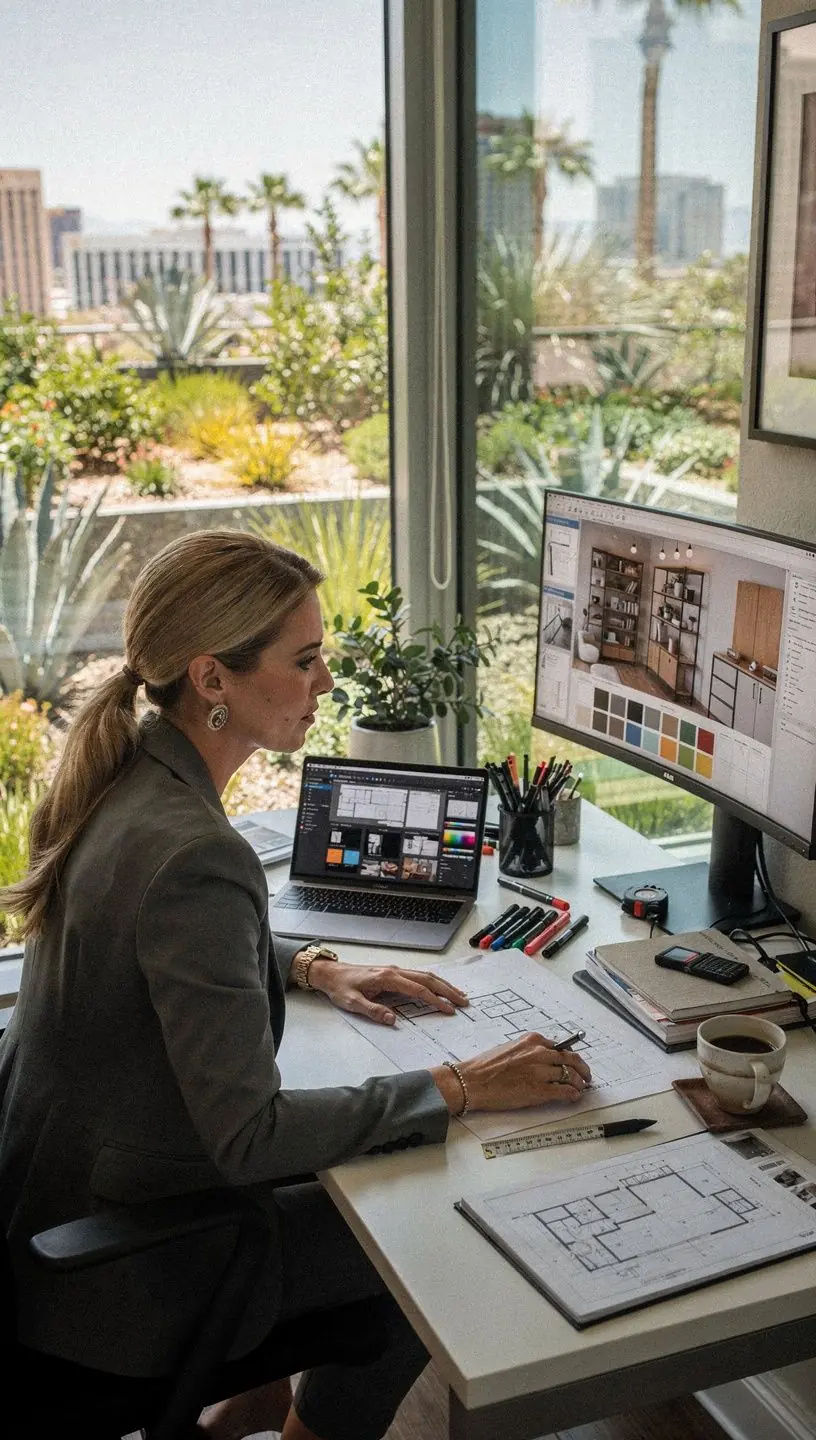
"A well-planned space can inspire creativity and reduce stress, making it essential to consider both looks and usability."
Key Principles of Combining Aesthetics and Functionality
To successfully blend beauty and utility, consider the following principles:
- Purposeful Layout: The layout should facilitate movement and activity. According to industry standards, spaces that promote easy navigation tend to feel more comfortable.
- Color Psychology: Colors can influence mood and behavior. Studies show that warm colors may energize, while cool colors tend to calm, which can impact how a space is perceived.
- Quality Materials: Utilizing materials that are both durable and visually appealing can enhance both functionality and aesthetics. Many users report that investing in high-quality materials pays off in longevity and satisfaction.
Practical Application in Home Organization Studios
When applying these principles, it’s important to undertake a structured approach. Here’s how you can achieve this:
- Assess Your Needs: Identify what activities will take place in the space. This typically requires a thorough understanding of how the space will be used.
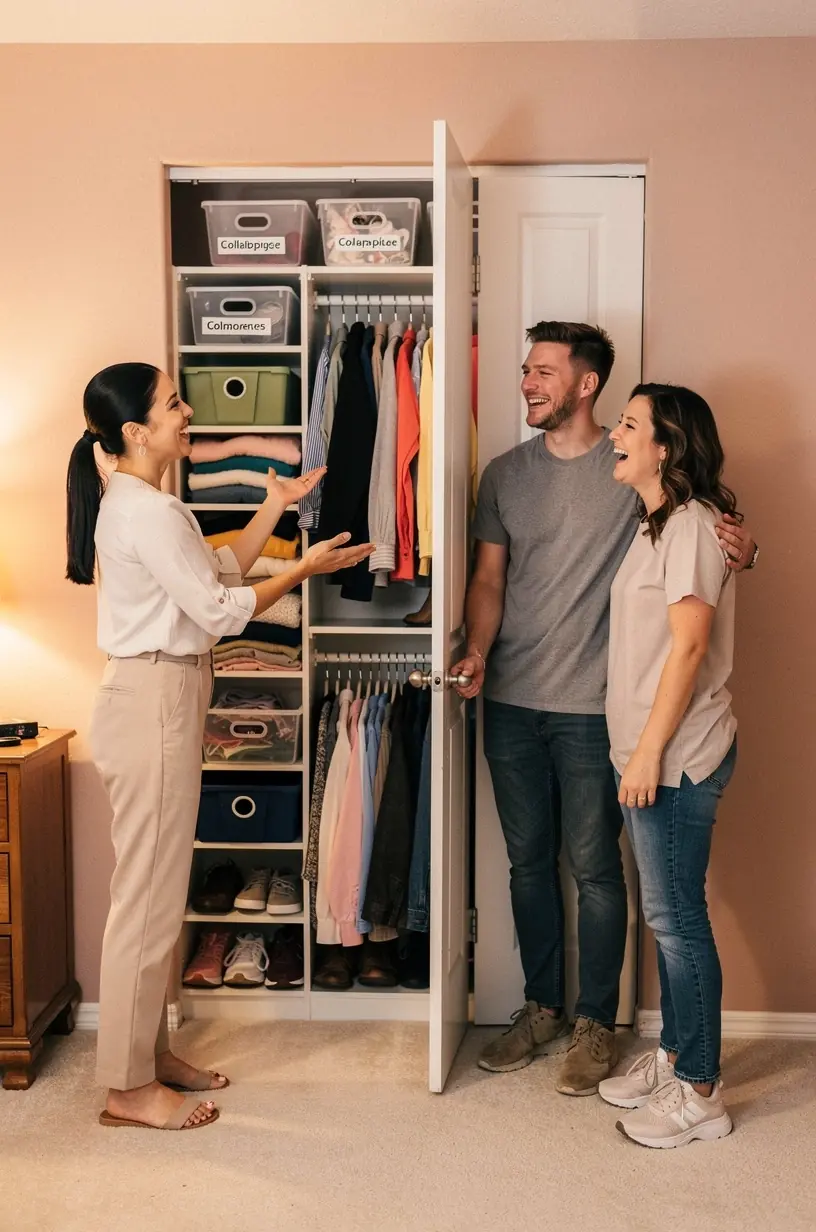
- Incorporate Storage Solutions: Effective storage systems can help maintain an organized, clutter-free environment. Research indicates that a well-organized space can reduce time wasted in searching for items by up to 30%.
- Regular Reevaluation: Design needs may change over time. It’s recommended to regularly assess and adjust your space to meet evolving needs, which may involve some effort but is beneficial in the long run.
Conclusion
Successfully merging aesthetics with functionality in design involves careful planning and consideration of various factors. By following these principles and applying practical strategies, you can create spaces that are not only beautiful but also serve their intended purpose effectively. Remember, achieving this balance requires time and dedication, but the results can significantly improve your environment and overall satisfaction.