
Practical Ways to Organize Kids' Play Areas for Better Flow
Creating a well-organized play area for children can enhance their play experience and help develop their organizational skills. According to research, a clutter-free environment may improve focus and creativity in young children. Here are some practical strategies to achieve a better flow in your kids' play areas.
Understanding the Importance of Organization
Experts recommend that a well-structured play space helps children feel more secure and encourages independent play. When kids can find their toys easily, they are more likely to engage in constructive play rather than becoming frustrated. Research shows that a tidy play area reduces distractions and allows for better concentration on activities. This is essential during early childhood development when children are learning to focus their attention.
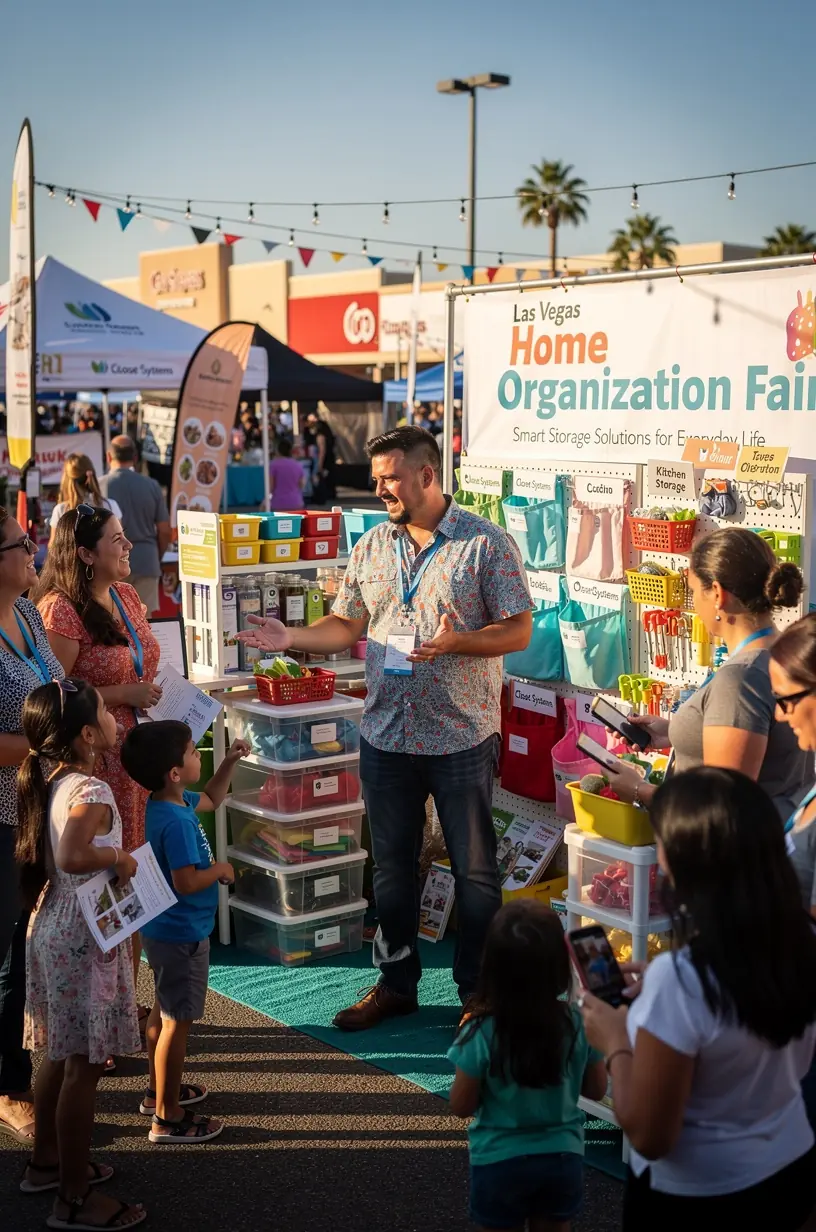
"A clutter-free environment can lead to improved focus and creativity in children." - Child Development Expert
Setting Up Your Space
To create a functional play area, consider the following steps:
- Assess the Space: Start by evaluating the available space. Measure the area and consider how your children will interact with it. This typically takes about an hour but can significantly impact the final design.
- Designate Zones: Divide the play area into specific zones, such as a reading nook, an arts and crafts corner, and a building area. This can help children understand where to find and put away their toys, promoting organization.
- Implement Storage Solutions: Utilize shelves, bins, and baskets to store toys. According to industry experts, clear bins can help kids identify the contents easily, while labels with pictures can assist younger children in returning items to their proper places.
Incorporating Practical Decluttering Techniques
Decluttering is crucial to maintaining a tidy play area. Regular assessments of toys and games are recommended to ensure only those that are actively used remain in the space. In most cases, this involves:
- Setting a Schedule: Establish a routine for decluttering, such as every three months. Consistency can help children learn the value of keeping their spaces organized.
- Involving Children: Engaging your children in the decluttering process can teach them responsibility. Many users report that children become more mindful about their belongings when they participate in decisions about what to keep or donate.
- Creating a "One In, One Out" Rule: This approach can help manage toy accumulation. Every time a new toy is brought into the house, an old one should be donated or discarded, which helps to maintain a balanced number of toys.
Conclusion
Organizing kids' play areas is not just about aesthetics; it plays a significant role in a child's development. By creating designated zones, implementing effective storage solutions, and regularly decluttering, you can foster an environment that encourages play and learning. While these strategies may require some initial time and effort, the long-term benefits can greatly enhance your child's play experience and instill valuable organizational skills. Remember, the goal is not perfection but creating a supportive and functional environment that works for your family.
Learn More