How to Evaluate Storage Systems for Different Rooms
Selecting the right storage system for your home can transform your living space into an organized haven. This article will guide you through evaluating various storage solutions tailored to each room's unique needs.
Understanding the Basics of Storage Systems
Storage systems serve as essential tools in home organization, allowing you to maximize space and enhance functionality. According to experts in home organization, the first step in evaluating a storage system is to understand the specific requirements of each room. For instance, a kitchen may require different storage solutions than a bedroom.

"Effective storage systems not only keep spaces tidy but also improve efficiency, as studies show that organized environments can reduce the time spent looking for items by up to 50%."
Evaluating Storage Solutions by Room
1. Kitchen
In the kitchen, storage systems should prioritize accessibility and organization. Consider using modular shelving units or pull-out cabinets that allow for easy access to pots, pans, and pantry items. Industry experts recommend evaluating the layout of your kitchen to determine which storage solutions will best utilize vertical and horizontal space.
2. Living Room
For living rooms, multifunctional furniture such as ottomans with storage or coffee tables with drawers can effectively reduce clutter. According to research, incorporating these types of storage can help create a more inviting atmosphere while maintaining organization.
3. Bedroom
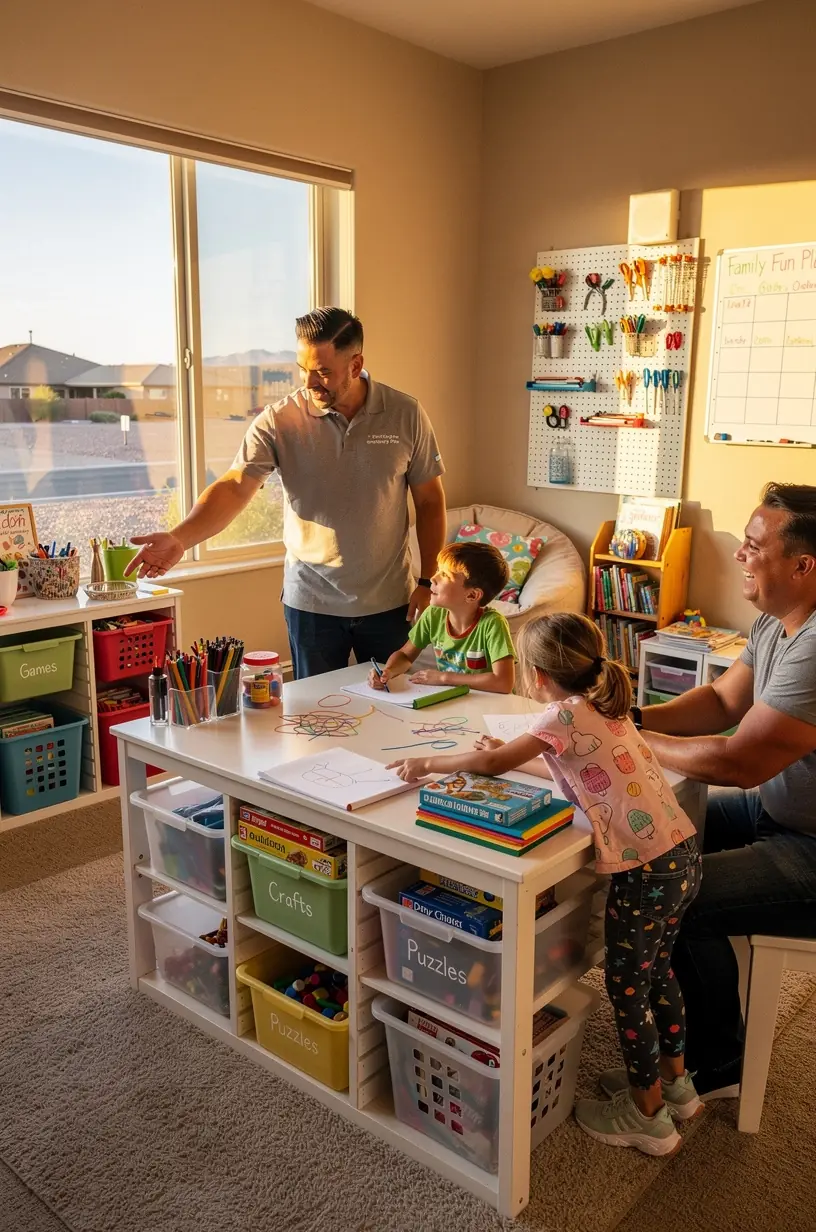
In bedrooms, consider the use of under-bed storage options or built-in closets that can accommodate both clothing and accessories. Many users report that implementing a labeling system within drawers or bins enhances retrieval efficiency, making it easier to maintain an organized space.
4. Home Office
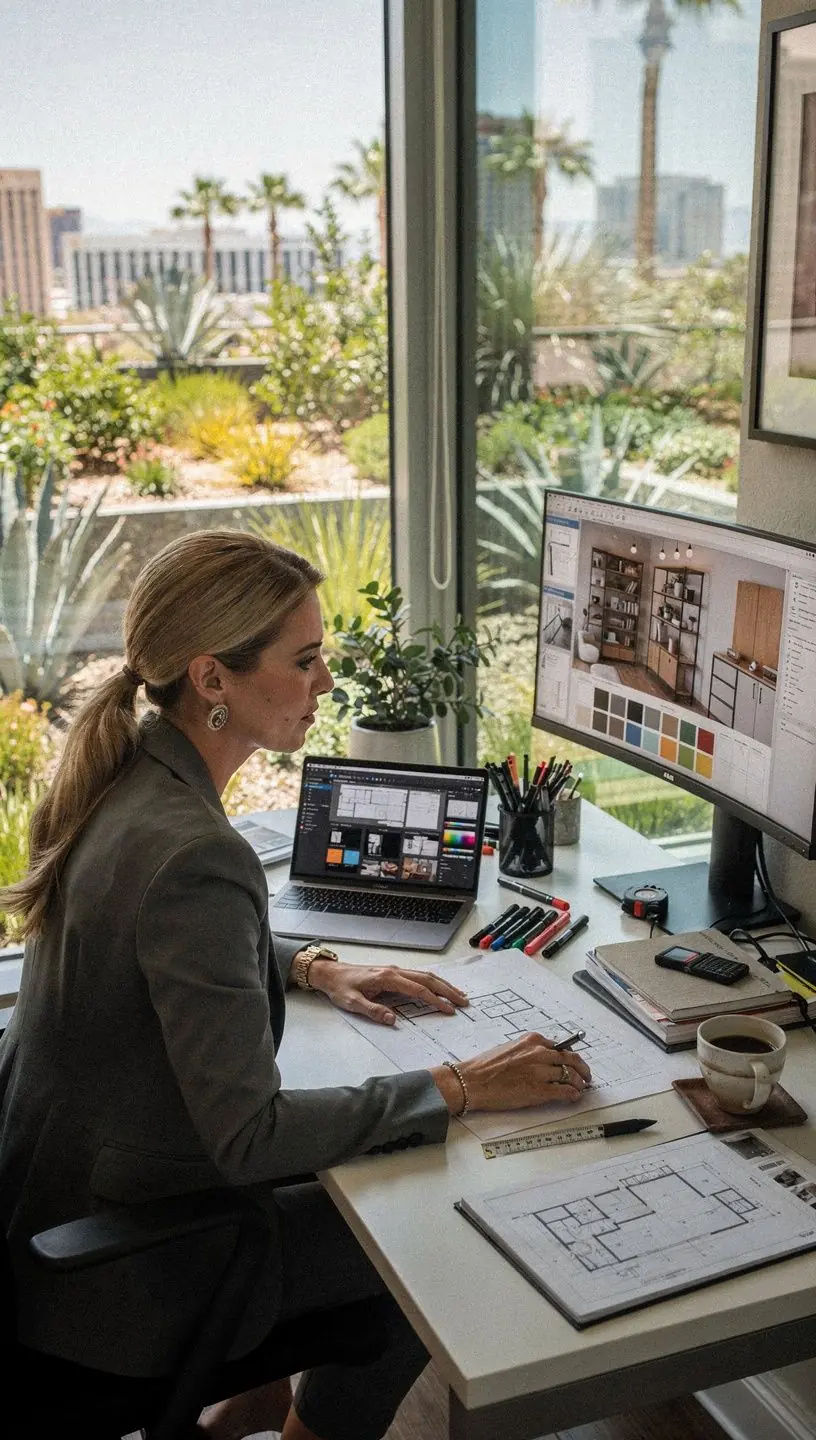
In a home office, shelving units and filing cabinets are crucial for managing paperwork and office supplies. A study by the National Association of Professional Organizers suggests that a well-organized workspace can improve productivity by up to 20%-30% in similar contexts. Consider creating designated zones for frequently used items to enhance workflow.
Key Considerations for Choosing Storage Systems
- Assess Space Availability: Measure the area where you intend to place the storage system to ensure it fits seamlessly.
- Evaluate Functionality: Determine how you will use the storage; systems should be functional and accessible to suit your daily routine.
- Consider Style: The storage solution should complement your home’s aesthetic, contributing to both organization and decor.
Conclusion
Choosing the right storage system is a process that involves careful evaluation of each room's specific needs. By prioritizing functionality and accessibility, you can create an organized environment that enhances your home life. Remember, many effective storage solutions require some effort to implement, but the long-term benefits can lead to a more organized and efficient living space.